What Are the Top Types of Plastic Playground Sets?

Choosing the right plastic playground set involves more than bright colors and a low price. Families often compare toddler climbers, compact slide sets, modular activity centers, and larger backyard systems. Each type suits a different age range, play style, and outdoor space. A small climber may fit beside a patio, while a modular set can occupy most of a lawn. I have seen children ignore elaborate features and return repeatedly to one sturdy slide. Simple play matters. That observation can challenge assumptions about what makes a set valuable.

This guide examines the top plastic playground set types through practical use, construction quality, and maintenance needs. It considers molded plastic thickness, rounded edges, stable bases, drainage, grip surfaces, and weight limits. These details influence confidence during climbing, sliding, and imaginative games. Weather exposure deserves attention too. Sunlight can fade plastic, heat surfaces, and weaken overlooked components over time. Caregivers should check fasteners, cracks, movement, and sharp edges before play. Manufacturer instructions remain essential, because similar-looking sets may require different assembly and supervision. The most expensive option is not automatically the safest or most useful. Likewise, a budget model is not always a poor choice. Fit matters more than hype. Recommendations may change after measuring the yard, observing the child, and considering local weather. That uncertainty deserves honesty. By comparing these categories carefully, readers can select equipment that encourages active play without overlooking everyday safety realities.
What Are the Top Types of Plastic Playground Sets?

What Defines a Plastic Playground Set?

A plastic playground set is more than a colorful slide beside a swing. It is an integrated play structure made mainly from molded polyethylene or polypropylene. Common forms include slide-and-climber units, compact playhouses, and modular activity centers. These materials resist moisture, splinters, and everyday impacts. However, material choice alone does not define quality. Wall thickness, rounded edges, secure joints, UV resistance, and stable footing matter more than bright colors.

The U.S. CPSC’s Public Playground Safety Handbook reports that about 200,000 children receive emergency-department treatment annually for playground-related injuries. Falls remain a major contributor. For this reason, a plastic playground set should include suitable fall height, protective surfacing, guardrails, handholds, and safe spacing. Residential equipment should also reflect relevant guidance, such as ASTM F1148. A reliable specification identifies the intended age range and maximum user weight.

No plastic is automatically safe. A set can look sturdy while its anchors loosen on uneven ground. Installation practice matters. Check clearance around slides, inspect bolts, and watch for faded or cracked plastic. A useful detail is often missed: UV damage may develop slowly, then weaken exposed areas. Manufacturer testing records, maintenance instructions, and replacement-part availability improve reliability. Still, no checklist predicts every child’s movement. Careful supervision remains necessary, even with well-designed equipment.

What Are the Main Types of Plastic Playground Sets?

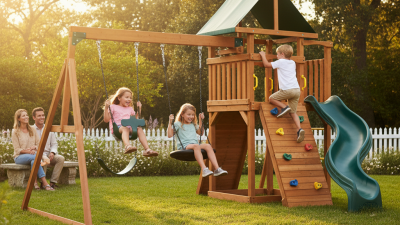
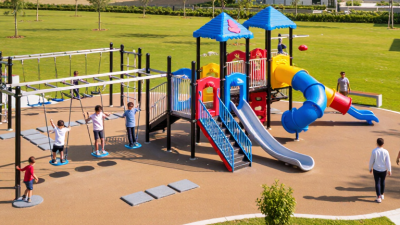
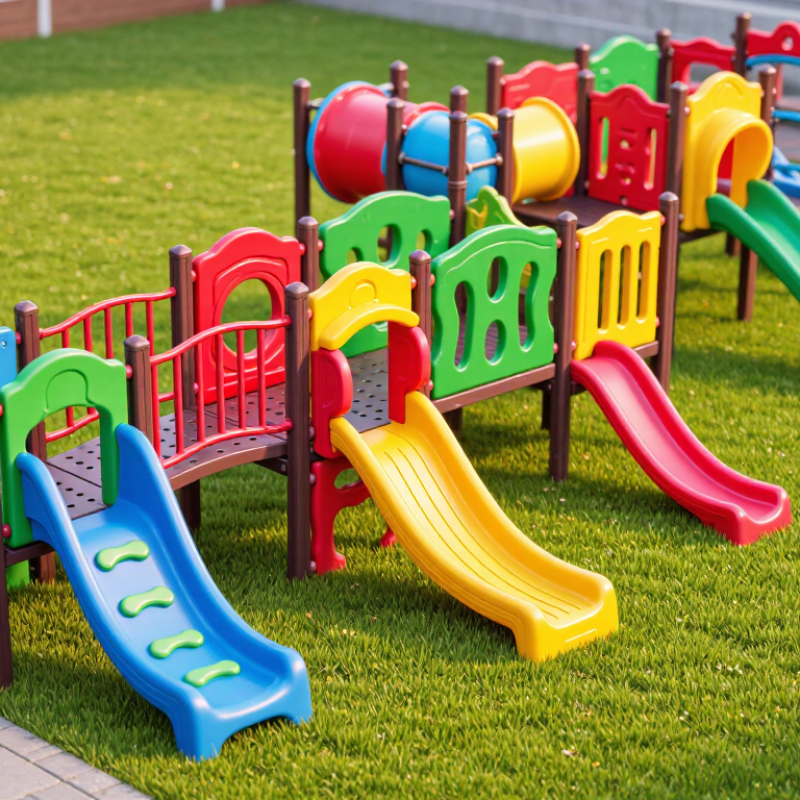
Plastic playground sets mainly fall into four types: toddler units, modular climbers, themed playhouses, and inclusive sensory systems. Toddler sets use low platforms, wide steps, short slides, and enclosed panels. They suit children under five and support safer independent movement. Modular systems combine decks, tunnels, bridges, slides, and climbing walls. Their layouts can fit schoolyards or compact residential spaces.

Themed sets add visual storytelling, such as castles, boats, or small community buildings. They encourage pretend play, but decorative panels should not reduce visibility. Inclusive systems may include transfer platforms, ground-level activities, ramps, and tactile panels. The U.S. Access Board’s playground accessibility guidance stresses usable routes and accessible ground-level features. In practice, inclusion is more than adding one ramp. That part is often misunderstood.

Safety deserves equal attention. The U.S. Consumer Product Safety Commission’s Public Playground Safety Handbook reports that falls cause about 79% of playground injuries. This makes impact-attenuating surfacing essential beneath climbing and sliding zones. ASTM F1487 also addresses structural strength, entrapment risks, guardrails, and platform design. Plastic can feel soft and friendly, but it still needs stable anchoring, rounded edges, UV resistance, and regular inspection. I would not choose a set from appearance alone. A 2023 inspection may reveal loose hardware, faded plastic, or drainage problems that a product photo hides.

What Are the Main Types of Plastic Playground Sets?

Plastic playground sets are commonly grouped by their primary play function. Slide sets and playhouses usually provide focused activities, while swing sets, climbing structures, and combination sets offer more varied movement and play options. The values show the typical number of core play features found in each category, based on common residential playground configurations.

How Do Plastic Playground Sets Differ by Age Group?

How Do Plastic Playground Sets Differ by Age Group?

Plastic playground sets should match a child’s height, balance, grip strength, and confidence. The U.S. Consumer Product Safety Commission’s Public Playground Safety Handbook separates users into toddlers, ages 6–23 months, preschoolers, ages 2–5, and school-age children, ages 5–12. These groups need different platform heights, stair angles, guardrails, and fall zones.

Toddler sets usually include short ramps, wide steps, small slides, and enclosed openings. ASTM F2373 addresses equipment designed for children from 6 months through 23 months.

Preschool sets can add taller slides, crawl tunnels, and simple climbing walls. ASTM F1487 covers many public playground structures for children aged 2–12, but supervision remains essential.

Small details matter. A deep handrail may still be difficult for a three-year-old to hold.

School-age children

generally need more challenging plastic structures, including higher decks, connected bridges, steering panels, and varied climbing routes. However, “older child” does not mean “any height is safe.”

The CPSC reports that emergency departments treat more than 200,000 playground-related injuries involving children annually in the United States.

Falls remain a major concern, especially around elevated platforms. Product labels, impact-absorbing surfacing, and regular inspections should guide purchasing decisions.

Age ranges are helpful, but they are not perfect. A cautious five-year-old and an adventurous five-year-old may need different levels of challenge. Check the actual child, not only the number on the package.

Which Features Shape the Safety and Function of Each Type?

Plastic playground sets differ less by color than by structure, movement, and supervision needs. Toddler sets usually combine short slides, low platforms, and wide steps. Their safer function depends on gentle slopes, enclosed sides, and handholds sized for small hands. Rounded corners reduce impact injuries, while textured surfaces help prevent slipping after light rain. These details matter more than decorative features.

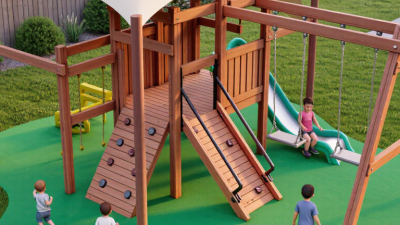
Modular climbing sets serve older children and offer more varied movement. Climbing walls, bridges, ladders, and tunnels should have clear entry points and stable connections. A platform with a guardrail can prevent falls, but excessive openings may still catch clothing or fingers. Rotationally molded plastic often provides smooth, durable surfaces, although sunlight can weaken some materials over time. UV resistance, drainage holes, and regular checks for cracks support long-term use.

Activity-panel sets focus on standing play, including gears, steering wheels, and matching games. They need accessible heights, secure fasteners, and enough space for children to move without crowding. Sand and water tables add sensory play, but poor drainage can leave stagnant water or slippery patches. Keep it simple. No design removes every risk. A qualified inspector should examine anchoring, fall zones, surface wear, and age separation before regular use. Some layouts look safe but create hidden blind spots. That deserves another review.

How Can You Choose the Right Plastic Playground Set?

What Are the Top Types of Plastic Playground Sets?

How Can You Choose the Right Plastic Playground Set?

Choosing a plastic playground set starts with the children who will use it and the space available. Measure the level area, then check the manufacturer’s age, weight, and occupancy limits. A compact slide-and-climber may suit toddlers, while older children may need taller platforms and more varied challenges. Plastic can feel smoother and warmer than metal, but it still needs regular checks for cracks, loose fasteners, and sun-related wear. Look for clear assembly instructions and materials described as UV-resistant; those claims should be supported by product documentation, not just a sales label.

Safety deserves close attention. The U.S. Consumer Product Safety Commission’s Public Playground Safety Handbook reports that falls account for about 44% of playground equipment injuries in its reviewed data. That figure concerns public playgrounds, not specifically plastic home sets, but it highlights why placement matters. Use an appropriate protective surface, keep the slide exit clear, and leave space around swings. I would not choose a set by its listed height alone; a small yard can make even a modest structure feel crowded.

Tips: Check the ground after rain, tighten hardware as directed, and inspect hidden corners where water may collect. Keep the instructions for future repairs. It is easy to overlook that step.

What Are the Top Types of Plastic Playground Sets? - How Can You Choose the Right Plastic Playground Set?

Playground Set Type Typical Features Suitable Ages Space Considerations Key Selection Tips
Toddler Playset Low platforms, short slides, easy-to-grip handholds, and simple climbing features. Often designed for young children; check the manufacturer’s stated age range and weight limits. Usually compact, but allow clear space around slides and other moving or exit areas. Look for age-appropriate heights, stable construction, smooth edges, and openings that do not create entrapment hazards.
Slide-and-Climber Set A raised platform paired with a slide, steps, or a small climbing wall. Varies by design; select according to the product’s age and capacity guidance. Measure the full footprint, including the slide runout and space needed for safe access. Check platform height, climbing grip, ladder stability, and whether the layout suits the child’s abilities.
Swing-and-Play Set May combine a plastic play tower with one or more swings. Depends on swing type and set design; follow the stated age and user limits. Needs extra clearance in front of and behind each swing, as well as room between swing seats. Confirm that the frame is designed for swing loads and that the swings have secure, suitable restraints where needed.
Climbing Dome or Structure Curved or angled climbing surfaces with multiple hand- and footholds. Check the manufacturer’s guidance; climbing ability varies widely among children. Requires a clear fall zone around the structure and an appropriate impact-absorbing surface. Assess grip size, climbing height, structural stability, and whether children can climb down safely.
Modular Play System Connectable components that can combine platforms, slides, panels, or climbing features. Depends on the selected modules and the complete configuration. Plan for the assembled footprint and ensure each component has adequate access and clearance. Verify that parts are compatible, connections are secure, and the completed configuration follows the supplied instructions.
Compact Indoor/Outdoor Set Small-scale features intended for limited spaces; some models can be used indoors or outdoors. Use only within the stated age, weight, and placement guidance. Measure doorways, ceiling height, and available play area; outdoor placement still needs safe clearance. Confirm the product is intended for the chosen setting and place it on a stable, level surface.
How to Choose Compare layout, play features, materials, assembly requirements, and maintenance needs. Choose for the youngest intended user, while considering the abilities of all children who will use it. Measure the site and required use zones before purchasing; account for slopes, trees, fences, and walkways. Check applicable safety standards, age and weight limits, anchoring instructions, fall-zone guidance, and routine inspection advice. Use appropriate impact-absorbing surfacing where required.