What Is a Composite Swing Set and Is It Worth It?
A composite swing set combines structural materials, often recycled plastic, resin, and wood-like components, into one backyard play system. It may look like timber, but it usually resists moisture, insects, and surface splinters more effectively. That does not make it maintenance-free. Bolts can loosen, slides can fade, and moving parts still need regular inspection.
The real question is not simply whether a composite swing set looks attractive. It is whether its safety, durability, upkeep, and price match your family’s needs. A well-designed set should feel stable when children climb, swing, or move between platforms. Check weight limits, guardrails, fall zones, anchoring instructions, and age recommendations before buying. Manufacturer guidance matters. So does careful installation.
There are practical advantages. Composite boards usually need less staining than traditional wood, and they can remain cleaner after wet weather. However, quality differs between brands, and lower-grade materials may crack, warp, or become unusually hot in direct sunlight. That detail is easy to overlook. Installation may also require two adults, level ground, and several hours of patient work.
Is the investment worth it? Often, yes, when long-term convenience matters more than the lowest purchase price. Families with limited maintenance time may value that trade-off. Still, “low maintenance” is not the same as “no maintenance.” Inspect every season, tighten hardware, and replace worn parts promptly. The answer becomes clearer when you compare total ownership costs, available space, and how often your children will actually use the set.
What Is a Composite Swing Set?
A composite swing set is an outdoor play structure made from blended materials, usually wood fibers and recycled plastic. This material is shaped into boards, platforms, rails, or decorative panels. Unlike a traditional wooden set, it does not rely entirely on untreated timber. Many composite designs also include metal brackets, plastic slides, rope parts, and coated fasteners.
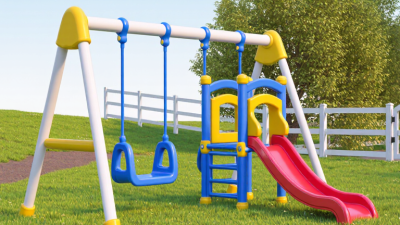
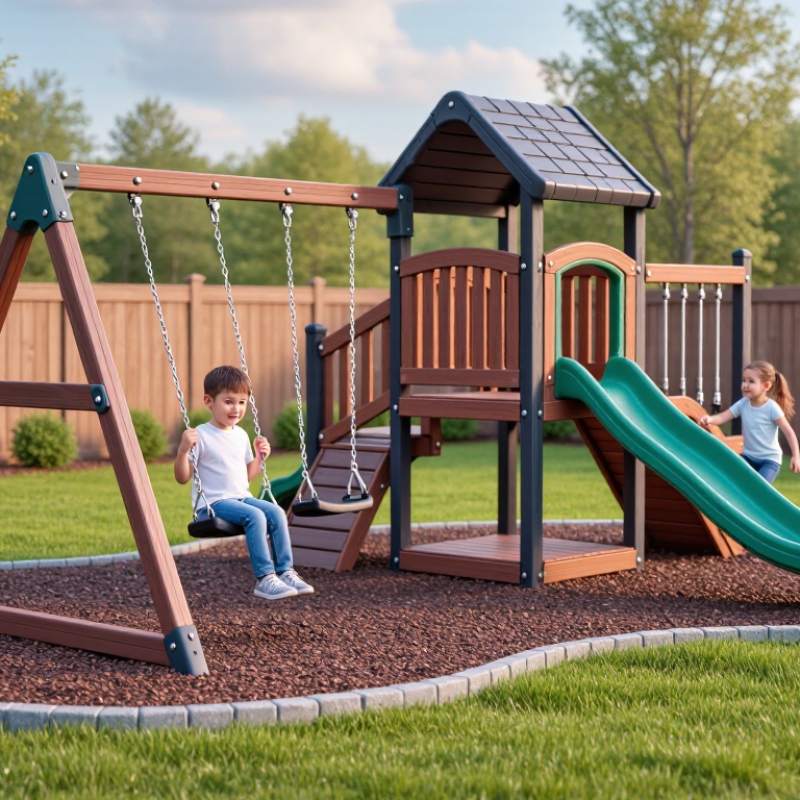
The structure may include two swings, a climbing wall, a small deck, and a slide. Its composite boards usually resist moisture, splintering, and insect damage better than ordinary wood. That matters after rainy seasons, when wooden platforms can soften or develop rough edges. Composite surfaces also need less staining and sealing. However, they are not maintenance-free. Dust collects in grooves, screws can loosen, and dark boards may become hot in direct summer sunlight.
A careful inspection should check the anchors, swing connections, handrails, and clearance beneath the slide. Follow the stated age and weight limits. Keep a soft fall zone around the frame, using suitable surfacing rather than bare soil or concrete.
Composite can expand and contract with temperature changes, so poorly fitted boards may shift or squeak. That detail is easy to overlook. The material feels durable, but durability depends on design, installation, drainage, and regular checks. My own judgment would remain cautious: a composite swing set can reduce upkeep, yet it cannot replace supervision or sensible safety habits.
What Materials and Features Define Composite Swing Sets?
A composite swing set combines wood fibers, recycled plastic, and bonding agents into a dense, molded, or coated structure. This blend gives the equipment a timber-like appearance with improved resistance to moisture, insects, and surface splitting. Unlike untreated wood, composite boards usually need no regular staining. Maintenance still matters.
A well-designed set includes rounded edges, secure handholds, slip-resistant steps, and swings with flexible seats. Galvanized or stainless-steel hardware helps resist rust, especially in rainy areas. Protective caps should cover exposed bolts, while reinforced joints reduce movement during active play. Check the weight rating for every platform, slide, and swing. A stable frame also needs level ground and properly anchored posts.
Composite swing sets often cost more than basic wooden models. Their value depends on climate, expected use, and installation quality. In damp regions, reduced rotting can justify the higher price over time. However, composite is not indestructible. That assumption can fail. Strong sunlight may fade darker surfaces, and trapped moisture can still affect hidden joints. During a practical inspection, I would check for cracks, loose fasteners, sharp edges, and water collecting beneath platforms. Follow the manufacturer’s maintenance schedule, even when the surface looks nearly new. Proper installation may matter as much as the material itself.
What Are the Benefits and Drawbacks of Composite Swing Sets?
What Is a Composite Swing Set and Is It Worth It?
Composite swing sets combine wood fibers, recycled plastic, and binding resins. They resemble painted timber but resist moisture, insects, and surface splintering. The U.S. Consumer Product Safety Commission reports about 200,000 playground injuries receive emergency treatment annually. That figure makes construction quality more important than appearance.
The benefits are practical. Composite components usually need less sealing than solid wood. They also avoid many rot problems around damp posts and shaded corners. However, composite material costs more upfront and can become hot under direct summer sunlight. Some boards may fade, crack, or flex after years of temperature changes. Repairs can also be less straightforward because matching replacement parts are not always available. That is the uncomfortable trade-off. Low maintenance does not mean maintenance-free.
Tips: Check the product’s tested weight limits, anchor system, and safety certification. ASTM F1148 covers household playground equipment, while the CPSC recommends regular inspections and protective surfacing. Measure the fall zone carefully. Hard ground, exposed bolts, and low branches create real risks. In my experience, parents often inspect the swing seats but overlook loose anchors and worn surfacing. That mistake is easy to repeat. A composite set may suit families wanting a cleaner look and fewer annual treatments, but local heat, installation quality, and repair access should influence the decision.
Is a Composite Swing Set Worth the Investment?
A composite swing set usually combines recycled plastic fibers and resin with metal hardware. Its appeal is straightforward. It resists rot, splinters, and insect damage better than untreated wood. That matters when children climb, slide, and swing every day. In a damp yard, this construction can reduce repainting and board replacement. Composite does not mean maintenance-free. Fasteners still need inspection, and moving parts require regular checks. Dark surfaces may also become hot under strong summer sunlight.
The investment can be worthwhile when long-term upkeep matters more than the lowest purchase price. A basic wooden set may cost less initially, but staining, sanding, and replacing damaged boards can narrow that difference. Installation also affects value. An uneven frame can create wobbling, premature wear, and avoidable safety concerns. Look for smooth edges, secure platforms, stable anchors, and equipment tested against current playground safety standards. Leave enough space around the swings for safe movement, especially on compact lawns. My less comfortable observation is that composite equipment can still fade, crack, or feel dated after years outdoors. It may last longer, but not forever. Families who expect daily use may appreciate the reduced maintenance. Occasional users may find the higher upfront cost harder to justify. Budget for protective surfacing and periodic hardware replacement. Those expenses are easy to overlook.
What Is a Composite Swing Set and Is It Worth It?
Estimated service life of common swing-set materials under normal outdoor use
Composite swing sets typically combine wood fibers and recycled plastic, offering strong resistance to rot, insects, and moisture. The estimated service-life figures are typical planning ranges rather than guarantees; climate, installation quality, usage, and regular inspections can significantly affect actual durability. A composite set may be worth the investment when reduced maintenance and longer outdoor service life matter more than the initial purchase price.