Choosing a vinyl swingset in 2026 requires more than comparing colors, slides, and advertised weight limits. A safe backyard structure should match your children’s ages, available space, and daily supervision habits. I have found that real performance often appears after installation, not in glossy product photos. Check the frame, connectors, swing hangers, and slide transitions closely. Look for smooth vinyl surfaces, reinforced joints, weather-resistant hardware, and clear assembly instructions. Small details matter.
They matter most outdoors.
This buying guide examines vinyl swingset materials, design quality, safety features, maintenance needs, and long-term value. It also considers independent reviews, manufacturer documentation, warranty terms, and relevant playground safety guidance. A strong product should feel stable when children climb, swing, and shift their weight. It should not wobble on firm, properly prepared ground. Measure the fall zone before ordering, including space behind the swings and beside the slide. Confirm that the selected model suits the manufacturer’s age and weight recommendations. These limits are not decorative suggestions.
They protect real children.
Some vinyl swingsets combine vinyl components with treated wood or metal supports, so construction details deserve careful inspection. Vinyl can resist moisture and splinters, but it still needs cleaning and periodic checks. Sun exposure may fade surfaces over time. Hardware can loosen. No material removes maintenance entirely. This guide highlights practical strengths and honest limitations, helping families choose confidently without assuming the most expensive set is automatically the best.
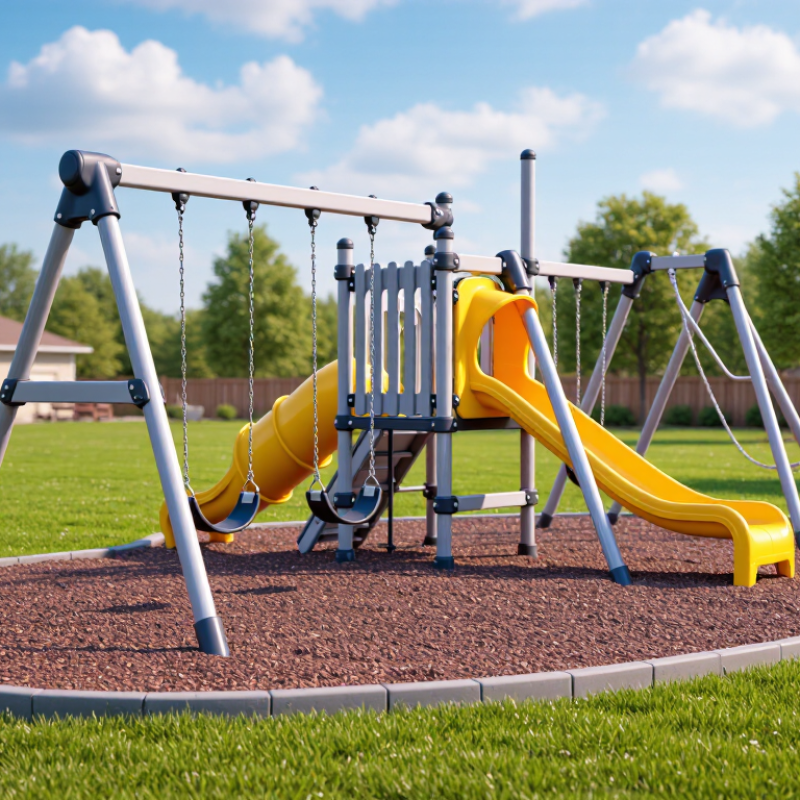
A vinyl swingset is usually a wooden or engineered frame protected by a thick vinyl coating. The coating creates a smooth, low-splinter surface around posts and rails. It also gives the structure a clean appearance without frequent staining. In 2026, this matters for families who want outdoor equipment with less seasonal maintenance. Vinyl does not make a swingset maintenance-free. Scratches, loose bolts, fading, and trapped moisture still need attention.
The CPSC reports that about 200,000 children receive emergency treatment for playground-related injuries each year in the United States. Falls remain a major concern. That makes surface depth, anchoring, spacing, and adult supervision more important than decorative features. ASTM F1148 provides safety guidance for residential playground equipment, while the CPSC Outdoor Home Playground Safety Handbook recommends checking hardware and protective surfacing regularly. A vinyl swingset can support these practices, but only when its frame and installation meet appropriate safety requirements.
Look closely at the posts.
Choose models with rounded edges, covered connectors, and stable ground anchors. Inspect the swing seats after hot summers and freezing winters. Vinyl may resist moisture better than unfinished wood, yet poor drainage can weaken the structure underneath. Buyers should also question vague “weatherproof” claims and request load limits, material details, and installation instructions. The honest drawback is cost. Vinyl systems often require a larger initial budget, and replacement parts may be less universal. Still, reduced repainting and easier cleaning can make the long-term value reasonable for busy households.
A vinyl swingset typically uses a structural frame covered with a weather-resistant PVC vinyl exterior. Vinyl can offer easier cleaning and reduced exposure to moisture, but buyers should still inspect connectors, anchors, swing hangers, and the underlying structure regularly.
The chart shows an example protective-surfacing layout for an 8-foot swing beam. Based on U.S. Consumer Product Safety Commission playground guidance, the front and rear swing-use zones extend twice the height of the swing’s pivot point, while the side clearance is 6 feet. Actual requirements depend on the equipment design, swing type, and local regulations.
Which Safety, Size, and Age Factors Should You Check First?
Check for rounded edges, secure fasteners, stable anchors, and pinch-point protection. The frame should sit firmly on level ground without rocking. Leave a generous fall zone around the swings and slide. Soft, impact-absorbing surfacing matters more than grass or thin soil. I recommend checking the manufacturer’s stated safety testing and installation instructions carefully.
Vinyl resists moisture and splinters, but it still needs inspection. Look for cracks, fading, sharp exposed hardware, and loose joints after strong weather. Touch the surface during hot afternoons. Some vinyl components can become uncomfortable in direct sunlight. A shaded location may work better. I once focused too much on appearance and underestimated afternoon heat. That was a practical mistake.
Measure the full footprint, swing clearance, slide exit, and maintenance access before purchasing. Younger children may need shorter platforms, enclosed sides, and smaller swings. Older children usually require stronger weight ratings, taller decks, and more active play space. Never rely on age labels alone; children develop balance and confidence differently. Confirm every child’s weight fits the equipment limits, including combined swing loads. A careful adult should supervise use and recheck the structure regularly. Expect to adjust your plan.
When comparing vinyl swingset materials, look beyond the bright surface. Vinyl usually resists rot, splinters, and frequent repainting. It also feels smoother against small hands and bare legs. However, quality varies widely. Thin vinyl may crack after repeated freezing, strong sunlight, or rough impacts. Ask whether the vinyl covers a treated wood or metal frame. That hidden structure often determines the set’s real strength.
Design affects everyday safety as much as material choice. A-frame layouts suit smaller yards, while larger towers need wider footprints and secure ground anchors. Sloped slides require clear landing zones, not flowerbeds or hard paving. Choose rounded edges, capped bolts, and spacing that prevents head entrapment. Check the stated weight limits for each swing, platform, and slide. Do not assume a stronger-looking set carries more weight.
I have found that low-maintenance materials still need regular inspection. Look beneath the vinyl for swelling, loose fasteners, and water damage. Metal connectors can rust when protective coatings fail. Vinyl can also become hot in direct summer sun. Shade helps, but it does not replace a hand-check before play. Some designs include more features than children actually use. That can increase cost, crowd the yard, and complicate supervision. A simpler layout may work better, though I would still measure every clearance twice before installation.
A vinyl swingset should make daily play simple, not create another maintenance task. In my experience, smooth, UV-resistant vinyl surfaces are easier to wipe clean after muddy afternoons. They also feel less harsh than exposed metal during cooler weather. Check the frame joints, swing hangers, and seat edges regularly. Small cracks can grow unnoticed.
Adjustable swing heights help children of different ages use the set comfortably. Wide, flexible seats reduce pressure during longer play sessions. Soft-grip chains protect small hands, while secure bucket seats support younger children. Ground anchors are essential, especially on lawns with loose soil. A level installation matters more than many buyers expect. It prevents uneven movement and unnecessary frame stress.
Useful accessories can improve the space without overcrowding it. A canopy offers shade during bright afternoons, but it should allow steady airflow. A small storage box keeps chalk, balls, and outdoor shoes within reach. Drainage openings prevent water from collecting inside hollow components. I once underestimated how quickly rainwater could damage neglected hardware. That mistake changed my inspection routine. Now, I check bolts, anchor points, and seat connections every few weeks. Leave room around the swings. Children need clear landing zones, and adults need a safe path for supervision.
For a 2026 vinyl swingset, selection should begin with safety, not color. The U.S. Consumer Product Safety Commission reports more than 200,000 playground injuries receive emergency treatment annually. Choose a model with UV-stabilized vinyl, rounded edges, corrosion-resistant hardware, and clear weight ratings. Inspect the swing seats closely. Thin plastic can feel flexible, but it may age poorly under strong sunlight. I would rather accept a plain finish than uncertain material specifications.
Installation needs careful ground preparation. CPSC guidance recommends a protective surfacing zone extending at least six feet around play equipment. Use engineered wood fiber, rubber tiles, or another tested impact-absorbing surface. Keep the frame level, then anchor every designated point into stable soil or concrete. ASTM F1148 covers residential playground equipment requirements, but compliance does not replace proper installation. Measure twice. A slightly uneven frame can create annoying movement and faster hardware wear.
Maintenance is simple, but skipping it is common. Check bolts, chains, anchors, and vinyl joints every month. Tighten loose hardware without over-compressing plastic parts. Wash surfaces with mild soap, and remove mildew before it spreads. The National Weather Service’s ultraviolet index guidance also supports limiting long, unprotected sun exposure, especially in high-UV regions. Vinyl can fade. That is not a failure, but it may reveal weak protection. Keep a small inspection log; it feels excessive, yet it helps identify gradual changes before they become expensive repairs.